Summary
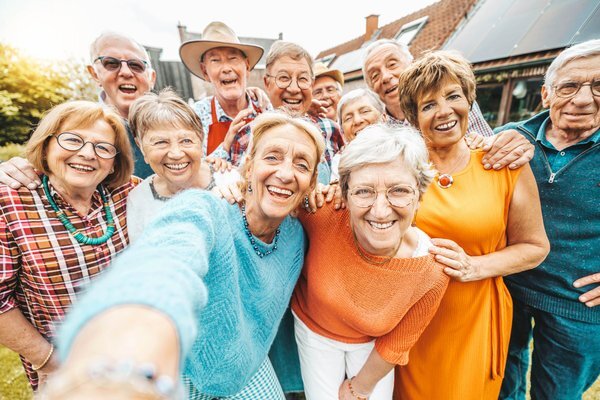
Maintaining and building social connections can improve health after 65 in meaningful ways, from strengthening immunity to supporting heart health and longevity. Discover how staying engaged with others can be one of the most powerful tools for healthy aging.
- Strong social relationships are linked to slower cellular aging, lower chronic inflammation, and a stronger immune response.
- Regular social contact may help protect against cognitive decline and reduce dementia risk by keeping your brain actively engaged.
- People with solid social connections have lower rates of heart disease, stroke, depression, and anxiety.
- Living in a senior community makes it easier to build meaningful friendships through daily proximity and scheduled programs.
Good friends can keep you healthier, not just happier.
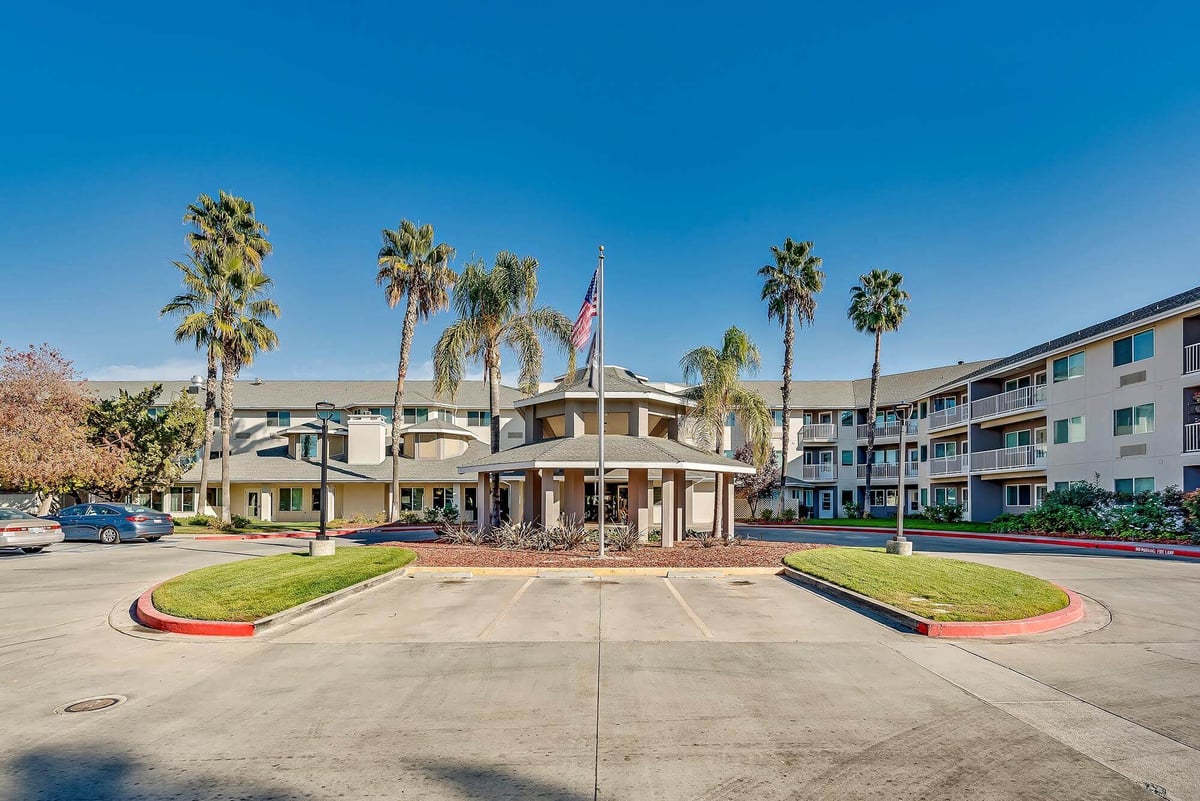
Research into how social connections improve health after 65 often circles back to the same conclusion: people who stay engaged with others tend to show better health outcomes than those who spend most of their time alone. At The Remington in Hanford, CA, days are built around kind of casual, regular social contact that can support healthy aging, from morning coffee with neighbors to evening card games down the hall.
1. Stronger Immune Response & Slower Cellular Aging
A 2025 study conducted by researchers from Harvard, Cornell, and Stony Brook University found that adults with long-standing relationships showed slower cellular aging and lower chronic inflammation than less-connected peers. This is one of the more surprising ways socialization benefits older adults, with benefits that support physical health.
2. A Possible Buffer Against Cognitive Decline
Conversation calls on parts of the brain that can go quiet when days are spent alone. A 2020 report from the National Academies of Sciences, Engineering, and Medicine found that social isolation is associated with an increased risk of developing dementia. An active social life’s health benefits for seniors are clear. Staying engaged is one of the more accessible ways to work against that risk.
The Remington’s social and recreational events and programs give residents plenty of opportunities to keep thinking and talking. Weekly games, clubs, interest groups, classes, arts and crafts opportunities, and other events offer something for just about everyone.
3. Lower Risk of Heart Disease & Stroke
The same National Academies of Sciences, Engineering, and Medicine report found that poor social relationships, whether from isolation or loneliness, were associated with an increased risk of coronary heart disease and stroke. A valuable community living health advantage shows up here. It can be simply easier to stay connected, and by extension heart-healthy, when friends are nearby.
In Independent Living with supportive services** at The Remington, you might find connection and opportunities for movement with:
- A morning walking group along the community’s private trails, with Civic Center Park just a short drive away for a change of scenery.
- Group fitness sessions built into the BALANCED℠ dining and wellness program.
- Friendly games and light recreation that keep you moving without feeling like a workout.
Our Independent Living with supportive services** community is designed to support your independence while offering access to additional help—only when and if you want it. A choice of third-party providers is available onsite for your convenience, but you are under no obligation to use any particular one. This flexible approach is perfect for individuals or couples with varied needs. Extend your independent lifestyle by choosing to make our community your home.
4. Better Mental Health & Emotional Well-Being
Loneliness takes a documented toll. The same National Academies of Sciences, Engineering, and Medicine report linked loneliness to higher rates of clinically significant depression and anxiety. Regular social contact works against that by offering a sense of belonging and someone to share both the good days and the harder ones with. Friendships can improve senior health, and they're often easier to build in a shared community.
5. A Measurable Link to Longevity
The longevity research is hard to ignore. The same National Academies of Sciences, Engineering, and Medicine report cites findings that people with strong social ties have up to a 50 percent greater likelihood of survival over time compared with those who are more isolated. Put simply, social engagement and senior wellness go hand in hand.
Frequently Asked Questions
Does This Mean Isolation Causes Health Conditions in Older Adults?
The research shows a strong association, not a guarantee in either direction. Researchers describe social connection as one of several factors, alongside sleep, diet, and exercise, that influence long-term health.
Does Moving to a Senior Living Community Help with Loneliness?
For many older adults, it can. Daily proximity to neighbors and scheduled programs and events can make it easier to build social connection.
Find Your Place to Connect at The Remington
Staying social after 65 is about having good people nearby, which is exactly what daily life looks like in The Remington’s Independent Living with supportive services** community in Hanford, CA. If you are ready to experience our community for yourself, schedule a personalized tour today.
A choice of third-party providers is available onsite for convenience, but residents are under no obligation to use any particular one.