
-
Emotionally healthy relationships are the heartbeat of senior well-being in Hanford. They offer older adults a sense of connection, stability, and purpose, especially during times of transition.
For seniors moving into a new environment, the fear of losing social ties is real. However, in senior living communities, those bonds aren't lost; they're rebuilt. Through daily interactions, shared activities, and conversations, residents form meaningful relationships that ease loneliness and strengthen emotional resilience.
A 2025 report from the World Health Organization confirms it: strong social connections are linked to:
- Better health
- Improved emotional well-being
- Longer life
When seniors feel understood and valued, their confidence grows. They engage more, communicate more freely, and build friendships that directly support senior emotional wellness in Hanford, creating a healthier, more welcoming community experience.
In this article, you'll learn what emotionally healthy relationships are and why they matter in senior living. You'll also discover how seniors can build stronger, more supportive bonds that improve everyday life.
What Are Emotionally Healthy Relationships?
Emotionally healthy relationships are connections where individuals feel safe, valued, and supported. These relationships are characterized by the following:
- Trust and Honesty: Both people feel secure enough to be open and vulnerable.
- Respect and Boundaries: Each person's needs and limits are acknowledged.
- Positive Communication: Conflicts are handled constructively, and emotions are expressed clearly.
- Emotional Support: Partners or friends offer comfort during stress, loss, or change.
- Authenticity: Individuals feel free to be themselves without fear of judgment.
These relationships can exist between romantic partners, family members, friends, caregivers, or peers. In senior living, they often form through:
- Shared experiences
- Consistent interaction
- Compassionate care
Why Are Emotionally Healthy Relationships Important?
Our brains are wired for connection. When we spend time with people we care about, our bodies release chemicals like oxytocin and dopamine. These help us feel calm and happy.
That's why a friendly chat or shared laugh can lift your mood and even improve your health. According to experts, these relationships also help to:
- Protect against stress
- Improve emotional resilience
- Enhance life satisfaction
- Reduce loneliness and depression
- Support cognitive health
How Can Seniors Build Healthy Bonds in Senior Living?
Building emotionally healthy relationships in senior living starts with small, intentional steps. Whether someone is new to the community or looking to deepen existing connections, the following strategies can help:
Join Group Activities
Participating in group events creates natural opportunities to meet others. Shared interests often lead to shared laughter, which is a powerful way to build trust and a sense of belonging.
At The Remington, every day brings new chances to connect, grow, and enjoy life. Our ever-evolving calendar is filled with engaging programs, exciting classes, and community events. Residents can take part at their own pace and comfort level, and choose from:
- Various fitness classes and fun activities like balloon volleyball
- Walking or gardening clubs
- Archery practice
- Arts and baking workshops
- Writers' club and much more
These activities foster social connection in Hanford, a key part of aging well.
Practice Positive Communication
Kindness, patience, and active listening go a long way.Seniors who express themselves clearly and take time to understand others are more likely to form fulfilling long-term relationships. These habits support positive communication for seniors:
- Listen Fully Before Responding: Give others time to speak without interrupting.
- Speak With Warmth and Respect: Use gentle tones and kind words, even when discussing something difficult.
- Ask, Don't Assume: If someone seems upset or quiet, ask how they're feeling instead of guessing.
- Share Your Thoughts Honestly: Express your feelings clearly, but avoid blaming or criticizing.
- Be Patient With Differences: Everyone has a unique background and way of doing things; give others space to be themselves.
Be Open to Friendship in Retirement
It's never too late to make new friends. Here's how seniors can stay open to meaningful relationships:
- Saying Yes More Often: Join events, meals, or quick chats, even when they're new to you.
- Starting Small: A hello or short comment can lead to a real conversation.
- Staying Curious: Ask questions, listen, and show interest in others' stories.
Stay Consistent
Relationships grow through regular interaction. Whether it's a daily walk, a weekly card game, or simply sitting with the same group at meals, consistency builds familiarity and trust. Over time, these small routines become steady, safe anchors.
Frequently Asked Questions
What Role Do Caregivers and Staff Play in Fostering Mental Well-Being for Older Adults?
Daily interactions shape how residents feel, whether supported, understood, or truly connected. A kind word or a listening ear can make a big difference in someone's day. Consider the following:
- They create a sense of safety.
- They model positive communication.
- They recognize emotional changes early.
- They encourage participation and connection.
- They validate feelings without judgment.
- They collaborate with healthcare professionals.
What Challenges Do Seniors Face in Building New Relationships?
Seniors often face emotional and physical hurdles when forming new connections. Life changes, such as retirement, the loss of a spouse, or relocating to a new community, can leave them feeling uncertain or isolated.
Health limitations may also make socializing more difficult and may include:
- Hearing loss
- Reduced mobility
- Memory changes
For many, the fear of rejection or being misunderstood may also hold them back from reaching out.
Are Emotionally Healthy Relationships Linked to Physical Health?
Yes. Emotional and physical health go hand in hand. Seniors with strong social bonds often have:
- Lower blood pressure
- Better immune function
- Fewer chronic illnesses
Positive relationships can also improve sleep, reduce stress, and help the body heal faster.
Emotionally Healthy Relationships: Bonds in Senior Living
Emotionally healthy relationships make senior living feel like a true community built on connection and comfort. Sharing interests, communicating openly, and showing kindness build strong friendships. These bonds support a healthy mindset and make daily life more meaningful.
Experience meaningful connection at The Remington, where updated spaces and daily social opportunities support emotional wellness. Our all-inclusive Independent Living community offers personalized services and a peaceful setting near Civic Center Park. Schedule a tour today and see how comfort, convenience, and community come together at The Remington.
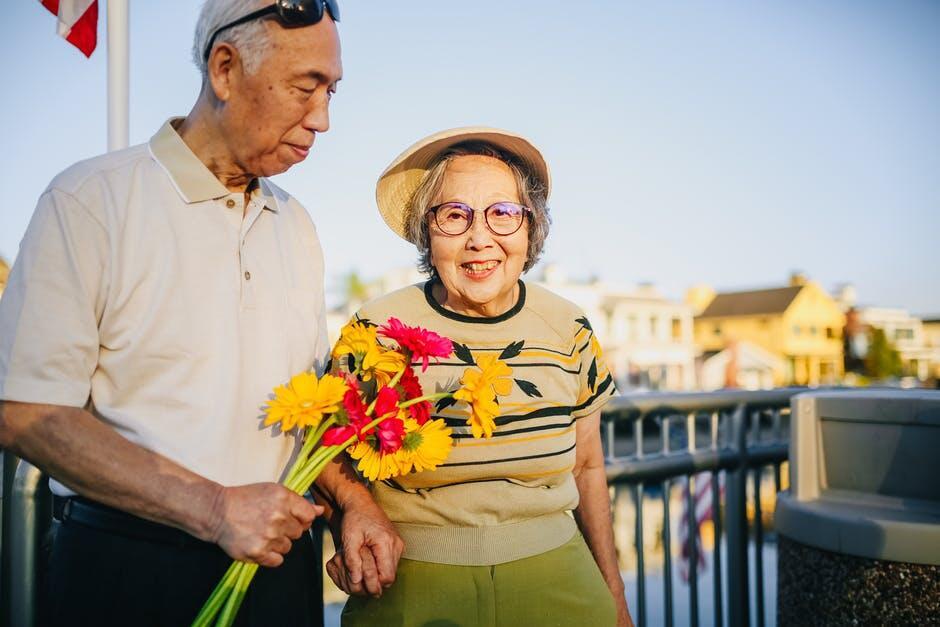
Learn how emotionally healthy relationships help Hanford seniors build lasting friendships and emotional balance in community life.
Share